What Is an Asscher Cut Diamond?
The square step-cut that defined Art Deco — history, structure, and what makes it unique
Quick answer
An Asscher cut is a square step-cut diamond with cropped corners, usually 58 facets (74 for Royal Asscher). Looking down through the table you see concentric squares and an “X” or windmill pattern. Invented in 1902 by Joseph Asscher in Amsterdam, it became the signature diamond of the Art Deco era and remains a sophisticated alternative to rounds and emerald cuts.
Key takeaways
- Square outline (ideal length-to-width 1.00–1.05) with cropped corners
- Step-cut faceting creates a hall-of-mirrors effect and centered windmill pattern
- Shows color and inclusions more readily than brilliant cuts — clarity and color matter more
- Typically 15–30% less per carat than comparable rounds
- Classic (58 facets) vs Royal Asscher (74 facets, patented)
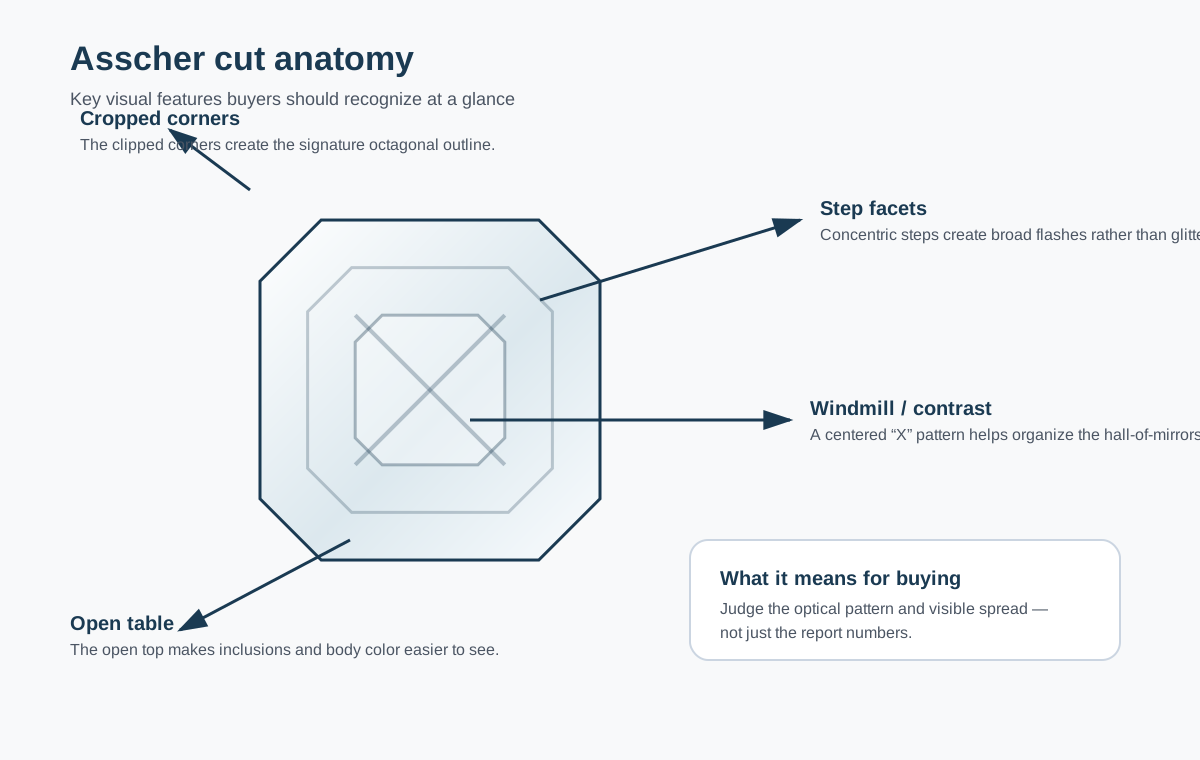
Asscher anatomy at a glance
| Feature | What you should see | Why it matters |
|---|---|---|
| Outline | Square with clipped corners | Separates the classic Asscher look from a rectangular emerald cut |
| Step facets | Broad, parallel-looking flashes | Creates the hall-of-mirrors character rather than round-brilliant sparkle |
| Windmill | Balanced diagonal contrast | Helps the pattern look centered and intentional |
| Center | Patterned, not glassy or see-through | Persistent transparency can indicate windowing |
History of the Asscher cut
Joseph Asscher of the Asscher family cutting house in Amsterdam patented the cut in 1902 — the first diamond cut ever patented. The family’s firm (founded 1854) was already a leading Amsterdam cutting house. In 1908 Joseph Asscher was chosen to cleave the Cullinan diamond (3,106 carats), the largest gem-quality rough ever found; several resulting polished stones for the British Crown Jewels were step-cut in related styles.
The Asscher shape peaked in popularity during the Art Deco period (1920s–1930s). After mid-century preference shifted toward round brilliants, interest returned with the vintage revival. In 2001 the Royal Asscher Diamond Company introduced the patented Royal Asscher Cut with 74 facets.
Characteristics & faceting
The classic Asscher has a square outline with cropped (beveled) corners and step facets arranged in concentric rows on crown and pavilion. The large table acts as a window into the stone. When well cut, pavilion facets meet so that an “X” or windmill pattern is visible from above.
GIA often labels these stones “Square Emerald Cut” on reports. The visual identity buyers want is the square step-cut look with cropped corners, regardless of the exact report name.
Classic vs Royal Asscher
- Classic Asscher — Typically 58 facets. Widely available. The original 1902 design language.
- Royal Asscher — 74 facets. Additional facets improve light return while keeping the square step-cut character. Available through authorized dealers; usually priced at a premium.
Light performance
Step cuts produce broad flashes of light rather than the intense scintillation of brilliant cuts. An Asscher’s deeper proportions and converging facets often create more internal reflection and a sense of depth than a typical rectangular emerald cut. The effect is frequently described as looking into a hallway of mirrors.
Because the table is open, body color and inclusions are more visible than in most brilliant shapes. That is why practical selection standards for Asschers emphasize VS2+ clarity and G–H (or better) color for most buyers.
Pros and cons
Pros: Distinctive geometric look; strong Art Deco and vintage association; good value vs rounds; cropped corners more durable than sharp points; works in both classic and modern settings.
Cons: Shows color and inclusions more easily; appears smaller face-up than shallower shapes of the same carat weight; thinner inventory at many retailers; cut quality is harder to judge from a report alone — video is essential.
Who it suits
Buyers who want a square, architectural diamond with depth and pattern rather than maximum sparkle. It pairs especially well with bezel, four-prong, geometric halo, and Art Deco–inspired settings. See Asscher ring styles and famous Asscher diamonds for examples.
Next steps
If you are ready to evaluate stones:
Buying Asscher hub How to Choose an Asscher Asscher vs Emerald Best Places to Buy
Sources & further reading
- Royal Asscher Diamond Company — history of the cut and Royal Asscher patent
- GIA educational materials on step cuts and square emerald / Asscher-style diamonds
- Historical accounts of the Cullinan diamond cutting (Asscher family role)
- Royal Asscher: Royal Asscher Cut vs Asscher Cut — official distinction between the classic and patented 74-facet Royal Asscher.
This guide is educational. Prices, inventory, and grading details change; always verify with current retailer listings and grading reports.