1.5 Carat Asscher Diamond Guide: Size, Quality, Price & Proportions
A noticeable step up in presence where inclusions and color become easier to see
Quick answer
A 1.5 carat Asscher often faces up around the low-6 mm range, with real stones varying by depth and geometry. At this size, scrutinize clarity, body color and the central pattern more closely because the open step facets create a larger viewing window.
Key takeaways
- Approximate width often falls around 6.0–6.4 mm.
- VS2 becomes more candidate-specific as size increases; VS1 offers additional margin.
- G–H remains a common value zone, but color sensitivity matters more in larger stones.
- Compare 1.40–1.49 ct options for value near the threshold.
- Efficient spread is valuable, but never at the cost of a windowed center.
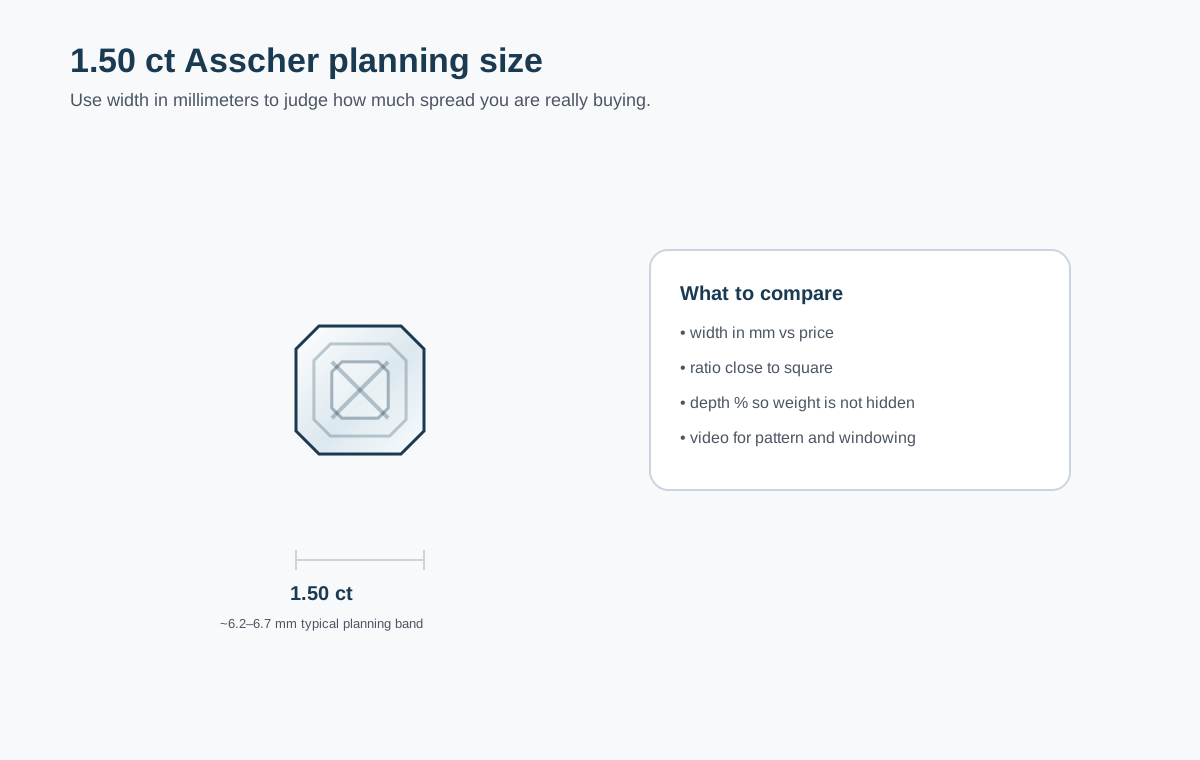
How big is a 1.5 carat Asscher?
A practical planning range is roughly 6.0–6.4 mm in face-up width. Because Asschers are deep, some 1.5 ct stones can look smaller than buyers expect from experience with rounds or elongated shapes.
Clarity deserves more scrutiny
The central table and steps are larger at 1.5 ct, making inclusion placement easier to notice. VS2 can still be excellent, but inspect it rather than assuming the grade is sufficient. VS1 is a comfortable target when buying remotely or when you dislike any visible inclusions.
Color becomes easier to perceive
G–H remains a strong starting zone. In white metal, a color-sensitive buyer may prefer F–G. In yellow or rose gold, warmer near-colorless grades can integrate beautifully and free budget for cut or size.
Demand reasonable spread
At 1.5 ct, inefficient depth can represent meaningful money tied up in invisible weight. Compare measurements across candidates. If one stone is clearly smaller face-up, it should compensate with superior beauty or a better price.
Check just below 1.50 ct
Stones around 1.40–1.49 ct can offer nearly identical visual presence, depending on dimensions. Search by millimeters rather than treating 1.50 as a magical visual breakpoint.
Setting balance
A 1.5 ct Asscher has enough presence to work beautifully as a solitaire. A thin-to-medium band keeps the square center dominant. Side baguettes or tapered step cuts can reinforce the Art Deco geometry without competing with the center.
Compare Asscher inventory at our recommended partners (affiliate links).
Primary references & methodology
- GIA: How GIA Grades Diamonds — grading process, proportions, polish and symmetry.
- GIA: fancy-shape cut grading FAQ — explains that GIA does not currently assign an overall cut grade to fancy shapes.
- AsscherDiamond.com research methodology — how we distinguish laboratory facts, screening ranges and editorial observations.